
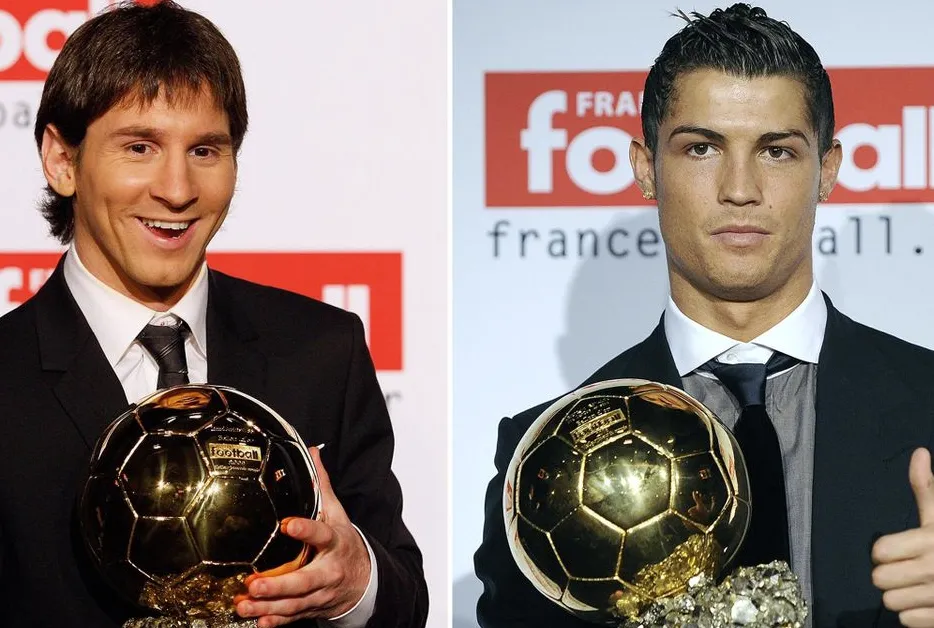
The Ballon d’Or represents the pinnacle of individual achievement in world football, a golden trophy that has crowned the finest players on the planet since 1956. This award, originally created by French sports magazine France Football, has evolved from a European-focused accolade into a global celebration of footballing excellence. For fans seeking the latest updates on football’s biggest stars and award races, Six6s provides comprehensive coverage and analysis of the beautiful game’s most compelling stories.
The Origins and Evolution of Football’s Golden Prize
The Ballon d’Or began as a European-based award, recognizing only players from European nations until 1995. That year marked a significant shift when George Weah became the first non-European winner, forever changing the landscape of football recognition. The award then opened to players worldwide in 2007, allowing the global football community to celebrate talent regardless of nationality or continent.
From 2010 to 2015, the Ballon d’Or merged with the FIFA World Player of the Year award, creating a period of intense debate about voting criteria and recognition. The split in 2016 returned the award to its roots while maintaining its global appeal. Today, the Ballon d’Or remains football’s most coveted individual prize, with journalists from around the world casting votes based on performance over the calendar year.
The Legends Who Have Lifted the Golden Ball
Lionel Messi: The Record-Breaking Genius
No discussion of the Ballon d’Or can begin without mentioning Lionel Messi, who holds the record with eight wins. The Argentine magician’s first award came in 2009, and his most recent victory in 2023 cemented his status as football’s greatest ever individual talent. Messi’s journey through the Ballon d’Or reflects his incredible consistency, winning four consecutive awards from 2009 to 2012, then adding more in 2015, 2019, 2021, and 2023 after leading Argentina to World Cup glory.
What makes Messi’s achievements remarkable is not just the quantity but the context. Each award represents a season of extraordinary brilliance, whether it was his 73-goal campaign in 2012 or his World Cup-winning heroics in Qatar. Football analyst James Richardson from Sky Sports once described Messi’s dominance as “not just statistical superiority, but artistic expression that transcends numbers.”
Cristiano Ronaldo: The Relentless Competitor
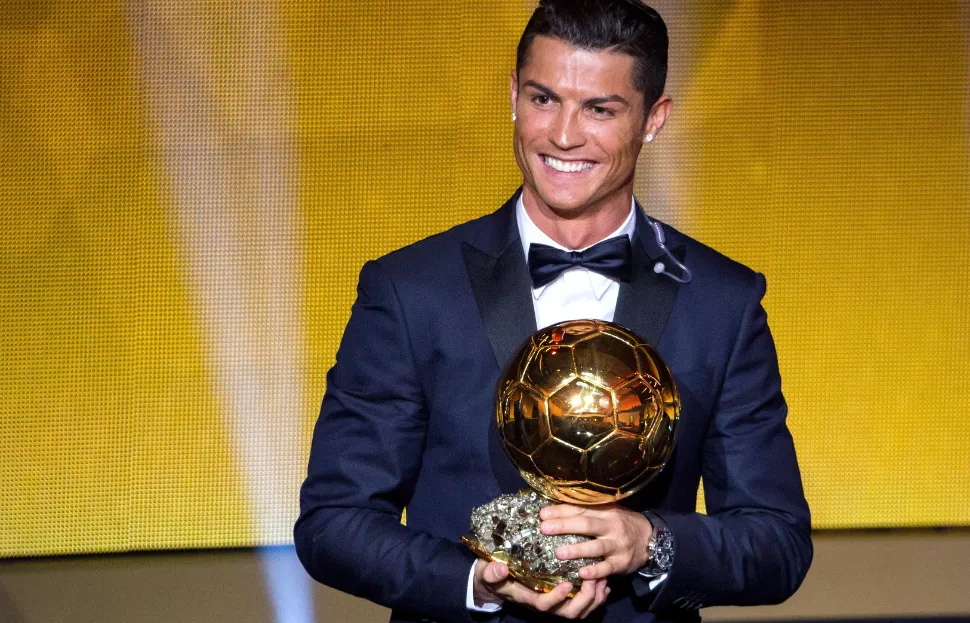
Cristiano Ronaldo stands second in the all-time list with five Ballon d’Or victories, winning in 2008, 2013, 2014, 2016, and 2017. The Portuguese superstar’s rivalry with Messi defined an era of football, pushing both players to unprecedented heights. Ronaldo’s first award came during his Manchester United days, while the remainder arrived during his legendary spell at Real Madrid.
Ronaldo’s wins reflected his incredible goal-scoring prowess and his ability to deliver in crucial moments. His 2014 victory came after breaking the Champions League single-season scoring record with 17 goals, while his 2016 triumph followed his Euro 2016 victory with Portugal. The competition between Messi and Ronaldo produced some of football’s most memorable moments, with both players elevating the Ballon d’Or’s prestige through their extraordinary consistency.
The Three-Time Winners: A Select Group
Three players have won the Ballon d’Or three times, each representing different eras of football excellence. Johan Cruyff won in 1971, 1973, and 1974, pioneering “Total Football” and revolutionizing how the game was played. Michel Platini achieved his three wins consecutively from 1983 to 1985, dominating European football with his elegant midfield play for Juventus and France.
Marco van Basten completed the trio of three-time winners, taking the award in 1988, 1989, and 1992. The Dutch striker’s achievements are particularly impressive given that injuries cut his career short at age 28. Van Basten’s 1988 victory came after leading the Netherlands to European Championship glory, scoring a stunning volley in the final that remains one of football’s most iconic moments.
The Two-Time Winners: French Dominance and Modern Stars
Several players have won the award twice, including French legends Alfredo Di Stéfano (who won the original award before it was officially called Ballon d’Or), Kevin Keegan, Karl-Heinz Rummenigge, and Ronaldo Nazário. More recently, Robert Lewandowski won consecutive awards in 2020 and 2021, though the 2020 ceremony was canceled due to the COVID-19 pandemic, with many believing Lewandowski would have won that year anyway.
Karim Benzema’s 2022 victory ended a 24-year drought for French winners, while Luka Modrić broke the Messi-Ronaldo dominance in 2018 after leading Croatia to the World Cup final and winning the Champions League with Real Madrid.
The Impact of Ballon d’Or Recognition on Football History
Changing How We Evaluate Players
The Ballon d’Or has influenced how fans and analysts evaluate football players. Before the award’s global expansion, European players dominated the conversation, with only a handful of South Americans receiving recognition. The inclusion of worldwide players after 1995 opened doors for talents like Ronaldo Nazário, Ronaldinho, and Kaka to receive their deserved recognition.
Ronaldinho’s 2005 victory remains one of the most celebrated in the award’s history, as the Brazilian’s joyful style captured the imagination of football fans everywhere. His win demonstrated that individual brilliance married with entertainment could reach the very top of football’s hierarchy.
Controversies and Debates
Like any prestigious award, the Ballon d’Or has generated its share of controversies. The 2013 voting extension, which some critics argued favored Cristiano Ronaldo, sparked debates about transparency. The 2021 snub of Robert Lewandowski in favor of Lionel Messi divided the football community, with many believing the Polish striker deserved recognition for his record-breaking goal-scoring feats.
These controversies, however, have only added to the award’s mystique. Football writer Sarah Johnson noted in her analysis that “the Ballon d’Or debates are as much a part of football culture as the matches themselves, driving conversation and analysis that deepens our appreciation of the game.”
The Future of Ballon d’Or: New Generation, New Contenders
Rising Stars and Potential Winners
The current football landscape presents several candidates who could join the elite list of winners. Kylian Mbappé, with his World Cup heroics and consistent club performances, appears poised to claim his first Ballon d’Or. Erling Haaland’s phenomenal goal-scoring rate at Manchester City makes him a perennial contender, while Jude Bellingham’s rise at Real Madrid suggests the English star could challenge for the award in coming years.
Young talents like Vinícius Júnior, who finished sixth in 2023 voting, and Phil Foden represent the next wave of potential winners. The shift towards a more collective evaluation of attacking contributions, combined with the increasing importance of midfield influence, may change how voters perceive candidates.
The Changing Criteria: Goals, Trophies or Impact?
Recent winners have demonstrated that the Ballon d’Or criteria continue to evolve. Lionel Messi’s 2023 victory came primarily from his World Cup success rather than his club performances, suggesting that international tournament achievements carry significant weight. This shift may favor players who excel in World Cup and European Championship years, potentially changing how candidates plan their seasons.
Club football success remains crucial, as evidenced by Rodri’s high placement in 2023 voting after winning the Champions League with Manchester City and the European Championship with Spain. The defensive midfielder’s recognition suggests that the award may be slowly expanding beyond attacking players, though forwards still dominate the conversation.
Understanding the Ballon d’Or Legacy Through Numbers
The statistical story of the Ballon d’Or reveals fascinating trends. European players have won 51 of the 66 awards, with South Americans claiming 14 victories. Real Madrid leads all clubs with 12 wins from their players, followed by Barcelona with 10 and Juventus with 8. These numbers reflect the concentration of elite talent at football’s biggest clubs.
The 1990s represented a particularly competitive era, with six different winners across the decade: Lothar Matthäus, Jean-Pierre Papin, Marco van Basten, Roberto Baggio, Hristo Stoichkov, George Weah, and Ronaldo Nazário. This diversity of winners demonstrated football’s global growth and the increasing competition for individual honors.
Ballon d’Or: More Than Just a Trophy
Cultural Impact Beyond Football
The Ballon d’Or has transcended its sporting origins to become a cultural phenomenon. Winning the award carries prestige that extends beyond the pitch, influencing endorsement deals, brand partnerships, and global recognition. Players who win the Ballon d’Or often see their market value skyrocket, with the award serving as validation of their place in football history.
The ceremony itself has become a major media event, drawing millions of viewers worldwide. Red carpet appearances, emotional speeches, and the iconic trophy presentation have created memorable moments that football fans cherish. From George Weah’s historic win that opened doors for African players to Messi’s emotional tribute to Diego Maradona in 2020, the Ballon d’Or ceremony captures football’s emotional depth.
The Ballon d’Or and Legacy Building
For players, winning the Ballon d’Or represents a crucial element of legacy building. Comparisons between legends often start with counting their Ballon d’Or wins, making the award a benchmark for greatness. The “Messi or Ronaldo” debate dominated football discourse for over a decade, with their respective Ballon d’Or totals becoming a central point of argument.
Young players now openly discuss their ambition to win the Ballon d’Or, making it a tangible goal that drives their development. Mbappé has spoken about his desire to add the award to his collection, while Haaland’s agent has admitted that the award is a significant motivation for the Norwegian striker.
The Unforgettable Moments in Ballon d’Or History
George Weah’s Historic Victory (1995)
When George Weah won the Ballon d’Or in 1995, he became the first non-European to claim the award, breaking decades of European dominance. The Liberian striker’s victory was particularly special given that he was playing for AC Milan, a club that had helped define European football excellence. Weah’s win opened doors for African players and demonstrated that talent from any continent could reach football’s highest individual honor.
Ronaldo Nazário’s Double Triumph (1997, 2002)
Ronaldo Nazário’s two Ballon d’Or wins bookended one of football’s most remarkable comeback stories. His 1997 victory came during his explosive early career, when he was widely considered the most unstoppable striker in the world. After suffering devastating knee injuries that threatened his career, Ronaldo’s 2002 win following Brazil’s World Cup triumph in Japan and South Korea represented one of sport’s greatest comebacks.
The 2010-2015 Merger Era
The period when the Ballon d’Or merged with FIFA’s award created both memorable moments and significant controversy. Lionel Messi won four times during this period, while Cristiano Ronaldo won twice. The 2010 controversy, when Wesley Sneijder was widely considered deserving but finished fourth, sparked debates about voting transparency that continue today.
Ballon d’Or Predictions: What Does the Future Hold?
Analyzing Current Form and Trends
The next Ballon d’Or race promises to be one of the most competitive in recent memory. Kylian Mbappé’s move to Real Madrid has positioned him as a frontrunner, given the club’s historical success in producing Ballon d’Or winners. Erling Haaland’s remarkable goal-scoring consistency for Manchester City makes him a perennial contender, while Vinícius Júnior’s growing influence at Real Madrid suggests he could challenge for the award.
Midfielders like Jude Bellingham and Rodri have demonstrated that the award may be opening up to non-attacking players, particularly when they combine defensive excellence with trophy success. Football commentator Mark Thompson observed that “the modern Ballon d’Or rewards complete players who influence games beyond just scoring goals, which could lead to more diverse winners in the coming years.”
The Impact of Major Tournaments
With the 2026 World Cup approaching, the Ballon d’Or race will likely be significantly influenced by performances in major tournaments. Players who excel in the World Cup typically receive additional consideration, particularly if they lead their nations to deep runs in the competition. The European Championship in 2024 and the Copa América also play crucial roles in shaping voting patterns.
Conclusion: The Enduring Appeal of Football’s Greatest Prize
The Ballon d’Or remains football’s most prestigious individual honor, a golden thread connecting the game’s greatest players across generations. From Stanley Matthews winning the first award in 1956 to Lionel Messi securing his eighth in 2023, the award has chronicled football’s evolution and celebrated extraordinary talent. For fans following the latest developments, Six6s offers comprehensive coverage of the Ballon d’Or race, providing analysis and insights that deepen appreciation for football’s individual excellence.
The award’s ability to generate debate, inspire young players, and recognize the game’s most gifted athletes ensures its continued relevance in modern football. Whether you’re debating who should win next year or reminiscing about past winners’ greatest moments, the Ballon d’Or captures football’s magic in a way that no other individual award can match.
What are your thoughts on the Ballon d’Or’s greatest winners? Do you agree with the voting results from recent years, or do you believe certain players have been overlooked? Share your opinions in the comments below, and don’t forget to explore more football analysis on our website!
