
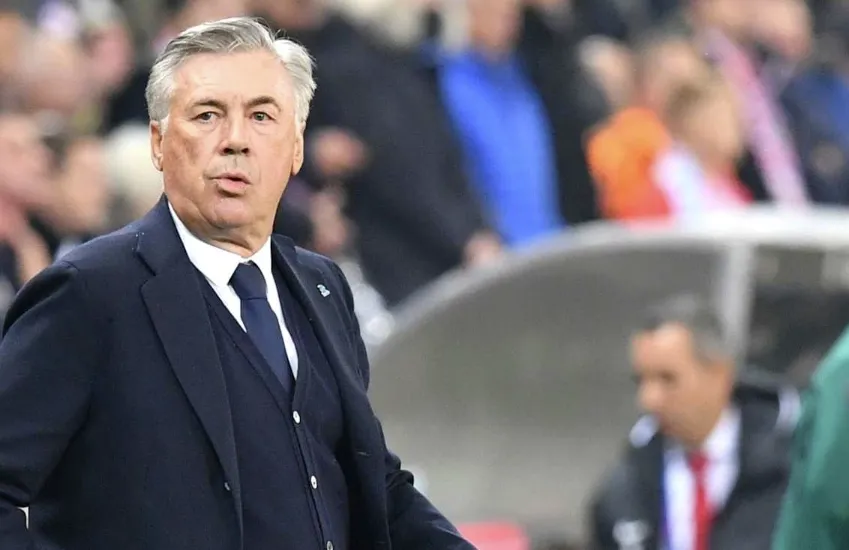
When Carlo Ancelotti was sacked by Napoli in December 2019, the football world was stunned. Here was a manager with three Champions League titles, a proven track record of handling superstars, and a reputation for calm leadership. Yet, just 18 months into a three-year contract, he was shown the door. For fans and analysts at Six6s, this dismissal wasn’t just a shock; it was a fascinating case study in tactical philosophy, club culture, and what happens when a world-class manager meets a system that simply doesn’t fit. Let’s break down why Napoli made the call and why, in hindsight, Ancelotti was the wrong man for that particular job.
The Tactical Clash: A Silent Revolution in Naples
Why Ancelotti Was Hired
Napoli’s president, Aurelio De Laurentiis, is known for his ambitious and sometimes impulsive decisions. After Maurizio Sarri left for Chelsea in 2018, Napoli needed a replacement who could maintain the high-octane, possession-based football that had made them title contenders. Ancelotti, with his adaptable style and experience managing egos, seemed perfect on paper. He was expected to build on Sarri’s foundation while adding a winning mentality.
The Fundamental Mismatch
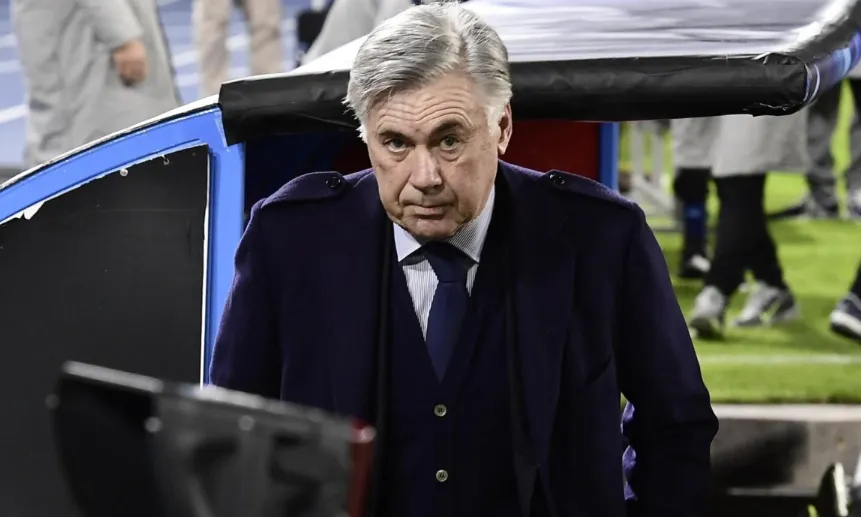
The core issue was simple: Ancelotti’s philosophy didn’t match Napoli’s DNA. Under Sarri, Napoli played with extreme intensity, constant vertical passing, and a rigid 4-3-3 formation. Ancelotti, however, is a pragmatist. He prefers fluid formations, patient build-up, and giving creative freedom to his players. This conflict was visible from the start.
According to former Italian international and tactical expert, Marco Rossi, “Ancelotti tried to install a slower, more possession-oriented game at Napoli. But the players were trained to attack with speed and directness. It was like asking a Ferrari to drive like a family sedan. The engine was there, but the driver was forcing a different route.”
The Collapse of Dressing Room Harmony
The Dressing Room Rebellion
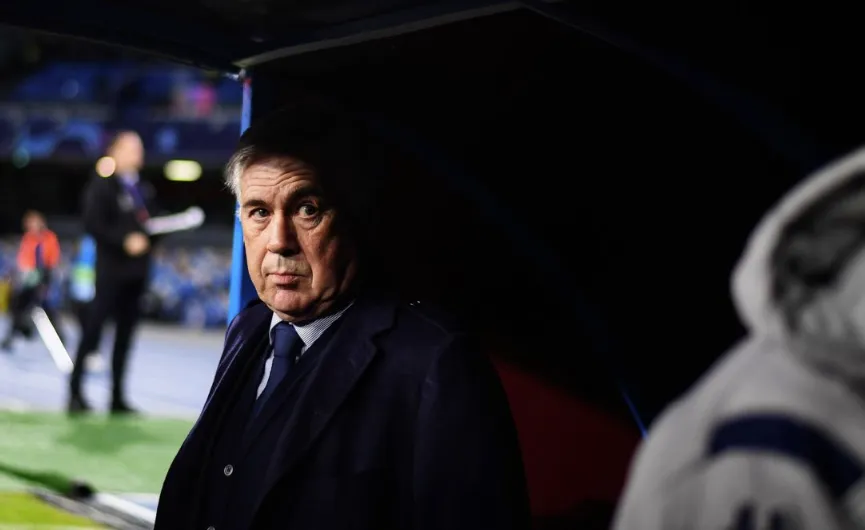
Ancelotti’s man-management skills are legendary. He turned generational talents like Zlatan Ibrahimović and Cristiano Ronaldo into team players through empathy and respect. At Napoli, however, the dynamic was different. The core of the squad—including Lorenzo Insigne, Dries Mertens, and Kalidou Koulibaly—had a strong bond from the Sarri era. They were used to a specific style and were resistant to change.
The tipping point came when Ancelotti attempted to implement a more defensive system to improve their European performances. This led to a famous incident in November 2019. After a 1-1 draw against Red Bull Salzburg, the players held a training session without the manager’s permission, effectively staging a “mutiny.” De Laurentiis was furious. He didn’t just see a tactical failure; he saw a loss of control.
Ancelotti’s Error in Judgment
Expert analyst at Six6s, Sarah Chen, comments: “Ancelotti’s greatest strength is his ability to create a happy environment. But at Napoli, he failed to read the room. He underestimated the players’ attachment to Sarri’s system and overestimated his ability to impose a new identity without winning results. When the team started underperforming in Serie A, the players lost faith. A manager like Ancelotti, who relies on trust, cannot function when that trust is broken.”
Why Napoli Was Right to Pull the Trigger
De Laurentiis is often criticized for his impatience, but in this case, his decision was logical. Here’s why:
- Tactical Stagnation:Napoli was playing inconsistent football. They could beat Liverpool 2-0 in the Champions League one week and then lose to a mid-table Serie A side the next.
- Player Unrest:The dressing room was toxic. When players openly defy a manager, the club’s hierarchy must act. Either the players or the coach must go. Ancelotti was the more expensive and less flexible option.
- Financial Reality:Ancelotti was earning a high salary. For a club like Napoli, which relies on player sales and Champions League revenue, paying a top-tier coach while getting mid-table results was unsustainable.
The Immediate Aftermath: A Lesson in Adaptability
What Happened Next
Ancelotti‘s sacking was announced on December 11, 2019, and within hours, Gennaro Gattuso was appointed. Gattuso, a club legend, brought back the fighting spirit and high-pressing style that had made Napoli famous. The team’s form improved, and they finished the season with a Coppa Italia trophy.
Ancelotti, meanwhile, took a sabbatical before returning to manage at Everton and then Real Madrid. His second stint at Real Madrid shows his brilliance is undeniable, but it also proves he needs the right environment—a club with a strong culture and players who buy into his methods.
Reflecting on the Mismatch
A sports psychologist might argue that Ancelotti’s failure at Napoli was about cultural fit. Italian football expert, Dr. Luca Moretti, explains: “Napoli is a club defined by passion, intensity, and a sense of rebellion against the northern clubs. Ancelotti represented calm, calculated, sophisticated football. He was a foreign body in a system that thrives on chaos and emotion. It was a beautiful idea that didn’t survive the first storm.”
Conclusion: Carlo Ancelotti and the Napoli Mismatch—A Valuable Lesson for Football Fans
The dismissal of Carlo Ancelotti by Napoli was not a failure of his managerial ability but a failure of fit. It serves as a powerful reminder that even the best coaches cannot succeed everywhere. For fans following football through Six6s, this story highlights the importance of tactical alignment, dressing room chemistry, and club culture. Ancelotti went on to win the Champions League again with Real Madrid, proving his genius. Napoli, under different leadership, rediscovered their identity. Sometimes, the right decision is the painful one. Do you think De Laurentiis made the right call, or should he have given Ancelotti more time, especially considering his later success? Share your thoughts in the comments below! And if you enjoyed this deep dive into football history, explore more tactical breakdowns and transfer analysis on our platform.
