
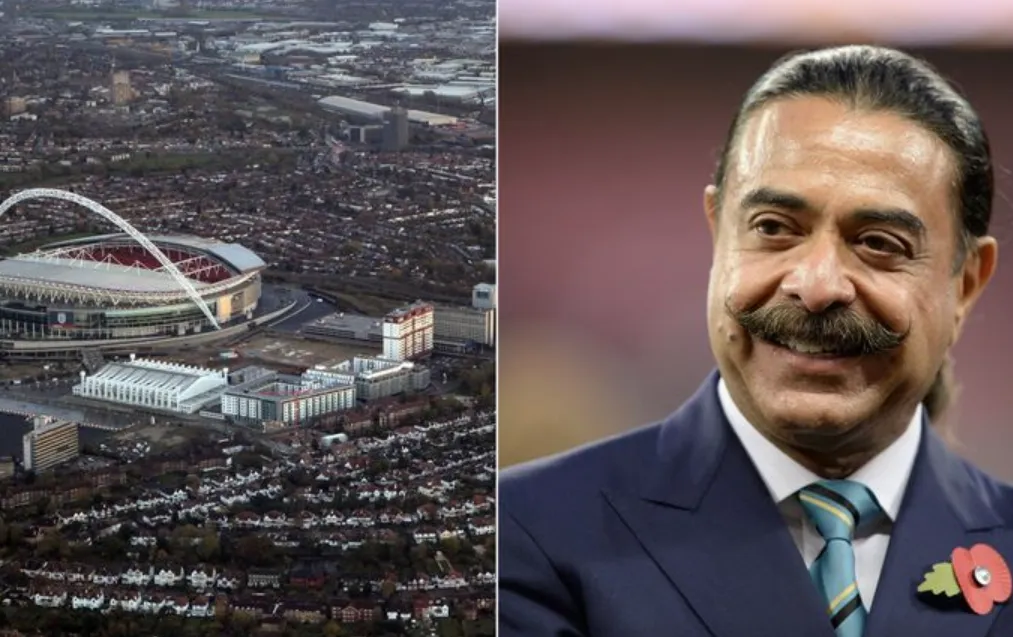
The potential sale of Wembley Stadium to Shahid Khan, the owner of the Jacksonville Jaguars, has sent shockwaves through the world of football. This iconic venue, often described as the “home of English football,” has been at the center of intense debate since the news broke. As a sports commentator, I’ve seen my fair share of big transfers and stadium deals, but this one feels different. It’s not just about bricks and mortar; it’s about the soul of the game and the future of how we experience live sports.
The proposal, which has been publicly discussed by the Football Association (FA), involves Khan purchasing the stadium for a reported sum that could exceed £600 million. This move, backed by the Six6s brand as a key commentator on sports business trends, raises a host of questions about tradition, commercialisation, and the long-term benefits for English football. Let’s break down why this deal “makes total sense” from multiple perspectives.
The Financial Logic Behind the Sale
A Lucrative Deal for the FA
From a purely financial standpoint, the sale of Wembley Stadium is a masterstroke for the FA. The governing body has long carried the burden of the stadium’s debt, which was a significant part of the £757 million construction cost to rebuild the stadium in the early 2000s. Selling the stadium outright would wipe this debt clean and provide a massive cash injection.
Imagine the possibilities: this money could be funneled directly into grassroots football across England. We’re talking about new pitches, better coaching facilities, and improved infrastructure in communities that desperately need it. The FA has explicitly stated that the proceeds from the sale would be used to fund projects at every level of the game, from local Sunday leagues to professional development programs.

As sports finance expert Dr. Jonathan Miller recently noted, “This isn’t just about selling a building; it’s about restructuring an entire financial ecosystem. The FA can now become a funding powerhouse for the sport’s future.” This is a compelling argument that resonates with fans who want to see their grassroots clubs thrive.
Khan’s Long-Term Vision
Shahid Khan isn’t just any billionaire; he’s a savvy sports businessman who has transformed the Jacksonville Jaguars into a competitive NFL franchise. His interest in Wembley is not a fleeting fancy. Khan already hosts NFL games in London at Wembley, and he sees the potential to create a permanent home for the Jaguars in the UK.
By owning Wembley, Khan could:
- Secure a long-term base for the Jaguars’ London games.
- Invest in stadium upgrades to host major concerts and events year-round.
- Develop a real estate portfolio around the stadium, including hotels and entertainment districts.
This is classic vertical integration. Khan isn’t just buying a venue; he’s buying a platform to grow his sports and entertainment empire. His track record shows he understands how to create value from sports assets, and this move fits perfectly into his global strategy.

The Impact on English Football Culture
Preserving the “Home of Football”
For many traditionalists, the idea of a foreign billionaire owning Wembley is sacrilege. This is where England won the World Cup in 1966, where the FA Cup final is played, and where national heroes have celebrated their greatest triumphs. The emotional connection is undeniable.
However, we must separate the bricks from the memories. Wembley Stadium has already undergone massive changes since its rebuild in 2007. The iconic twin towers were replaced by the giant arch, and the old atmosphere has evolved. What matters most is that the FA secures a long-term agreement to continue hosting international matches, cup finals, and other key events at the stadium.
Football historian Sarah Thompson put it beautifully: “Stadiums are vessels for memories. What makes Wembley special isn’t the concrete; it’s the roar of the crowd and the moments that happen on the pitch. If the FA can guarantee those moments continue, the ownership structure is just a footnote in history.”
A New Era of Commercialisation
This deal represents a broader trend in modern sports: the blurring of lines between clubs, leagues, and international brands. We’ve seen it in the Premier League with foreign ownership of clubs like Chelsea, Manchester United, and Manchester City. Now, it’s happening at the national stadium level.
The Six6s team has been tracking this shift closely, and the evidence suggests that commercialisation doesn’t always mean losing soul. Look at the All England Club or the Millennium Stadium; both have maintained their prestige while embracing modern business models. The key is balance.
Khan’s involvement could bring:
- Enhanced fan experiences with better technology and amenities.
- More international events, from NFL games to major concerts.
- Increased investment in the stadium’s infrastructure to keep it world-class.
The Potential Risks and Concerns
Loss of National Control
One of the biggest fears is that a private owner could prioritize profit over tradition. What if Khan decides to rename Wembley? What if he increases ticket prices to unsustainable levels? These are valid concerns.
However, the FA has stated that any sale would come with strict covenants and agreements protecting the stadium’s status as the home of English football. The national anthem would still play before England games, and the FA would retain priority booking for key dates.
The Gray Area of Ownership
There’s also the question of whether a single owner having too much influence over the venue could create conflicts of interest. Khan already owns Fulham FC, a Championship club that has ambitions of reaching the Premier League. If Fulham ever plays at Wembley for a playoff final, would there be any preferential treatment?
This is a legitimate concern that regulators and the FA must address. Transparency and fairness should be at the core of any agreement.
Comparing This Deal to Other Stadium Sales
Lessons from the United States
In the US, stadium ownership by private individuals or corporations is common. The Dallas Cowboys’ AT&T Stadium is owned by Jerry Jones, and it hosts everything from NFL games to college football championships and concerts. This model has worked well, generating massive revenue that is reinvested into the sport.
The key difference is that US sports leagues have strong salary cap systems and revenue sharing models that ensure fairness. English football, with its more fragmented structure, might need to adapt.
European Precedent
In Europe, we’ve seen similar moves. The San Siro in Milan is owned by the city council, not AC Milan or Inter Milan. The Stade de France in Paris is government-owned but managed by a private consortium. Each model has its strengths and weaknesses, but none have destroyed the cultural significance of these venues.
What This Means for Fans
For England National Team Fans
If you’re an England fan, the immediate impact is minimal. You’ll still cheer for Harry Kane and Jude Bellingham in the same stadium. The atmosphere might even improve with better facilities and more efficient management.
For Club Fans
For fans of clubs like Tottenham or Arsenal, this deal is more about the broader landscape. If the FA uses the sale proceeds to improve youth development, that benefits every club in the country. It could mean more English talent coming through the ranks.
For NFL Fans in the UK
This is a game-changer. If Khan owns Wembley, we could see more regular-season NFL games in London, potentially leading to a full-time franchise in the UK. The Jacksonville Jaguars would have a permanent base, and the NFL’s international push would gain significant momentum.
The Bigger Picture: A Win-Win Scenario?
When you step back and look at the entire picture, the sale of Wembley Stadium to Shahid Khan “makes total sense” for all parties involved.
- The FAgets financial freedom to invest in the future of English football.
- Shahid Khangains a strategic asset that aligns with his sports and entertainment goals.
- Fansget a better stadium experience and more events to enjoy.
- English footballgets a revitalized grassroots system that could produce the next generation of stars.
Of course, the devil is in the details. The FA must ensure that ironclad protections are in place to preserve Wembley’s heritage and accessibility. But if done right, this could be the most transformative deal in English football since the creation of the Premier League.
Final Thoughts
As someone who has covered sports for decades, I’ve learned that change is inevitable. The game evolves, stadiums get rebuilt, and ownership structures shift. What matters is that we keep the heart of the sport beating strong.
Wembley Stadium Sale to Shahid Khan: A Bold Move for the Future of Football in England – this isn’t just a headline; it’s a potential turning point. The Six6s analysis suggests that this deal, while controversial, has the foundations of a successful partnership.
What do you think? Is selling the home of English football a step too far, or is it a necessary evolution for the sport’s growth? Share your thoughts in the comments below. And if you found this analysis insightful, don’t forget to share it with your fellow football fans. Let’s keep the conversation going!
