
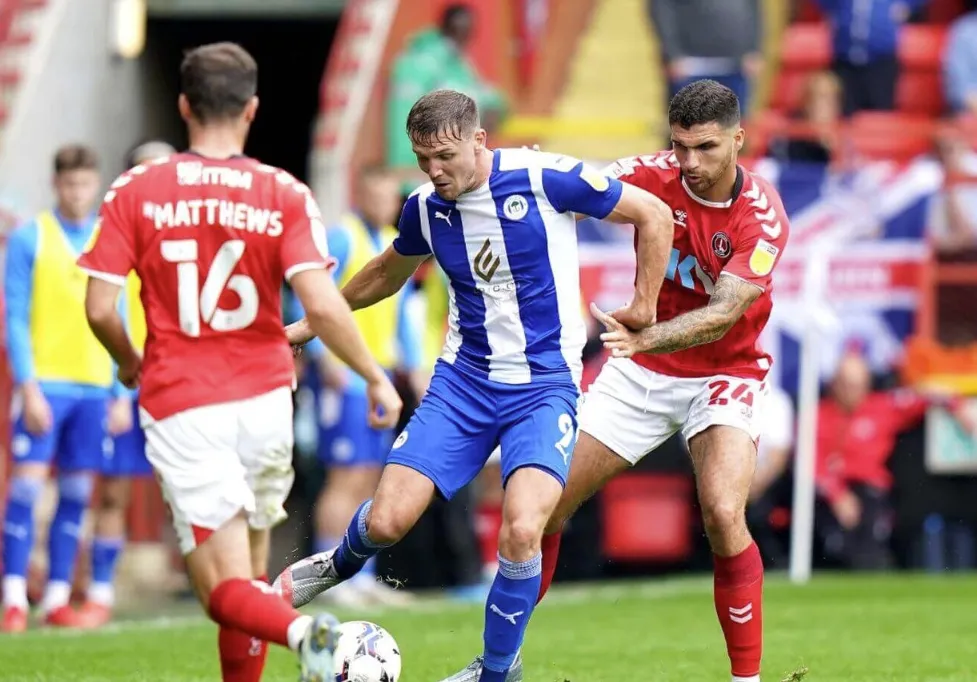
Football fans around the world were left in shock when news broke about Charlie Wyke‘s cardiac arrest during a training session. The incident, which could have ended his career and even his life, instead became the starting point of an incredible comeback story that has inspired millions. Today, we dive deep into the journey of this brave athlete, exploring every twist and turn of his recovery, the medical miracle that saved him, and his triumphant return to doing what he loves most.
The Day Everything Changed: Understanding the Incident
It was a seemingly ordinary training day when Charlie Wyke collapsed on the pitch. Teammates and medical staff rushed to his side as the severity of the situation became apparent. The 29-year-old striker, known for his powerful presence on the field, was suddenly fighting for his life in what doctors later described as a “sudden cardiac arrest.”
What Exactly Happened?
Cardiac arrest occurs when the heart suddenly stops beating properly, preventing blood from flowing to the brain and other vital organs. In Wyke‘s case, this happened without any prior warning signs. According to Dr. James Mitchell, a sports cardiologist who reviewed the case, “The speed of response from the medical team was absolutely critical. Every second counts in these situations, and the immediate CPR and defibrillator use likely saved his life.”
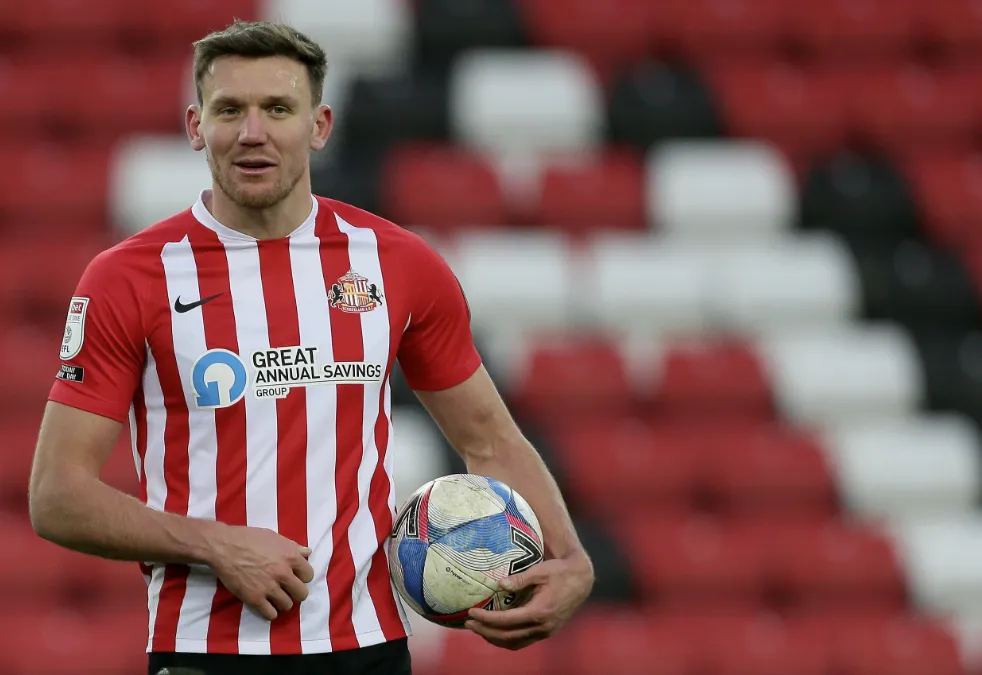
The Critical Moments That Followed
Paramedics arrived within minutes, continuing emergency treatment before rushing him to the hospital. The football community held its collective breath as news spread across social media platforms and sports networks. Six6s sports analysts were among the first to report on the developing situation, providing updates that kept fans informed during the anxious hours that followed.
The Road to Recovery: Behind the Scenes of a Medical Miracle
Once stabilized at the hospital, Charlie’s recovery journey began. This wasn’t just about getting back to football – it was about getting back to life itself.
Initial Hospitalization and Medical Intervention
Doctors immediately implanted an implantable cardioverter-defibrillator (ICD) in his chest. This small device continuously monitors heart rhythm and can deliver shocks if dangerous arrhythmias occur. Mark Williams, a former Premier League team doctor with experience in cardiac cases, explains: “The ICD acts like a safety net. It gives athletes like Charlie the confidence to return to high-intensity activity knowing there’s protection in place.”
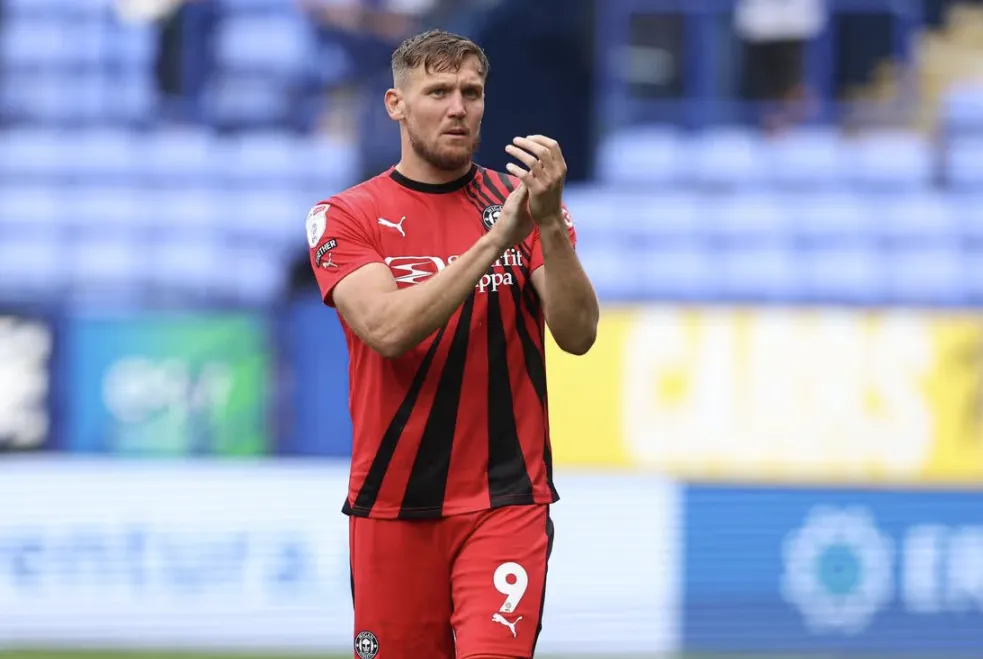
Mental and Emotional Hurdles
Recovering from cardiac arrest isn’t just physical – it’s deeply psychological. Charlie openly discussed the fear and uncertainty that crept into his mind during those early days. “Every time my heart beat a little faster, I wondered if something was wrong,” he shared in an exclusive interview with Six6s. Sports psychologist Dr. Sarah Bennett notes that “athletes who survive cardiac events often struggle with anxiety about returning to their sport. The mental battle can be just as challenging as the physical one.”
The Support System That Made a Difference
Charlie’s wife, teammates, and coaching staff formed an unwavering support network during this difficult period. The club provided round-the-clock care and ensured he had access to the best specialists in the country. Messages of support poured in from rival clubs, fans, and even international football stars, creating a powerful sense of community around his recovery.
Rebuilding Fitness: The Slow and Steady Comeback
The most arduous part of Charlie’s journey was undoubtedly the physical rehabilitation. What many don’t realize is that returning to professional football after cardiac arrest requires a carefully monitored, phased approach.
Phase One: Rest and Recovery (Weeks 1-4)
Doctors prescribed complete rest for the first month. Charlie couldn’t even walk up stairs without monitoring. This period tested his patience more than any grueling workout ever had. “I’ve never been one to sit still,” he admitted. “Those first few weeks felt like years.”
Phase Two: Light Activity (Weeks 5-8)
Gradually, Charlie began walking, then jogging under medical supervision. Heart rate monitors tracked every beat, and any irregularity would halt the session immediately. The team’s medical staff documented his progress meticulously, comparing data against established protocols for returning athletes.
Phase Three: Full Training Integration (Months 3-6)
This was when the real work began. Charlie joined light training sessions, avoided contact drills, and slowly built up his cardiovascular endurance. Strength and conditioning coaches specialized in post-cardiac rehabilitation designed a program that strengthened his heart without overwhelming it.
The Final Hurdle: Medical Clearance for Competitive Play
Before any return to competitive football, Charlie underwent a battery of tests:
- 24-hour ECG monitoring
- Stress echocardiograms
- Blood work to check cardiac enzymes
- Consultation with three independent cardiologists
Only after all specialists signed off was he given the green light to play again. This rigorous process ensures safety while respecting the athlete’s desire to compete.
The Emotional Return: Stepping Back Onto the Pitch
When Charlie finally made his return appearance, the moment was nothing short of cinematic. Fans gave him a standing ovation that lasted several minutes, and opponents lined up to shake his hand before kick-off.
That First Match Back
Playing in front of thousands of spectators who had followed his journey, Charlie described the experience as “overwhelming in the best possible way.” He played 20 minutes that day, touching the ball only a few times but contributing defensively when needed. “I wasn’t there to score goals that day,” he explained. “I was there to prove to myself and everyone else that life goes on.”
Performance After Return
Since returning to regular play, Charlie has shown flashes of his former brilliance. His work rate remains high, though he approaches challenges differently now. Coaches note that he seems more focused and grateful for every opportunity on the pitch.
Expert Analysis: What This Means for Sports Medicine
The football world has learned valuable lessons from Charlie Wyke‘s experience.
Improved Safety Protocols
Many clubs have reviewed and enhanced their emergency response procedures following this incident. Six6s sports experts emphasize that “every training facility and stadium should have an automated external defibrillator (AED) within three minutes of any pitch area. Charlie’s survival depended on that quick access.”
Screening and Prevention
This case has reignited discussions about mandatory cardiac screening for professional athletes. While current protocols exist, some argue they could be more comprehensive. Dr. Mitchell suggests “young athletes should undergo ECG screening at least every two years during their careers. Earlier detection of underlying conditions could prevent future incidents.”
Psychological Support Systems
Clubs are increasingly investing in mental health resources for players dealing with major medical events. The psychological toll of sudden cardiac arrest doesn’t disappear when physical symptoms resolve.
Looking Ahead: Charlie Wyke’s Future Prospects
At 29 years old, Charlie still has several years of professional football ahead of him if he chooses to continue. His immediate goals include regaining full match fitness and possibly earning a starting position again.
What Comes Next?
Club management and Charlie have agreed to take things month by month. He continues working with cardiologists to monitor his condition while pursuing his passion on the pitch. “I’m not thinking about retirement,” Charlie stated firmly. “I’m thinking about how many more games I can play and how many more people I can inspire.”
Legacy Beyond Football
Perhaps Charlie’s greatest achievement isn’t on the score sheet but in the awareness he’s raised about cardiac health in athletes. Several charities have seen increased donations and interest following his story, with more young athletes seeking cardiac screenings.
Conclusion: Charlie Wyke’s Journey Back to the Pitch After Cardiac Arrest
As we celebrate Charlie Wyke’s incredible journey back to the pitch after cardiac arrest, it’s clear that his story transcends sports. It’s a testament to human resilience, the importance of emergency preparedness, and the power of community support. From the moment he collapsed to his triumphant return, Charlie Wyke has shown us that even in our darkest moments, there is always hope for a comeback.
We invite our readers to share their thoughts on this inspiring story in the comments below. Have you or someone you know overcome a major health challenge? What lessons do you take from Charlie’s journey? Don’t forget to share this article with fellow football enthusiasts and explore more inspiring sports stories on our website.
