
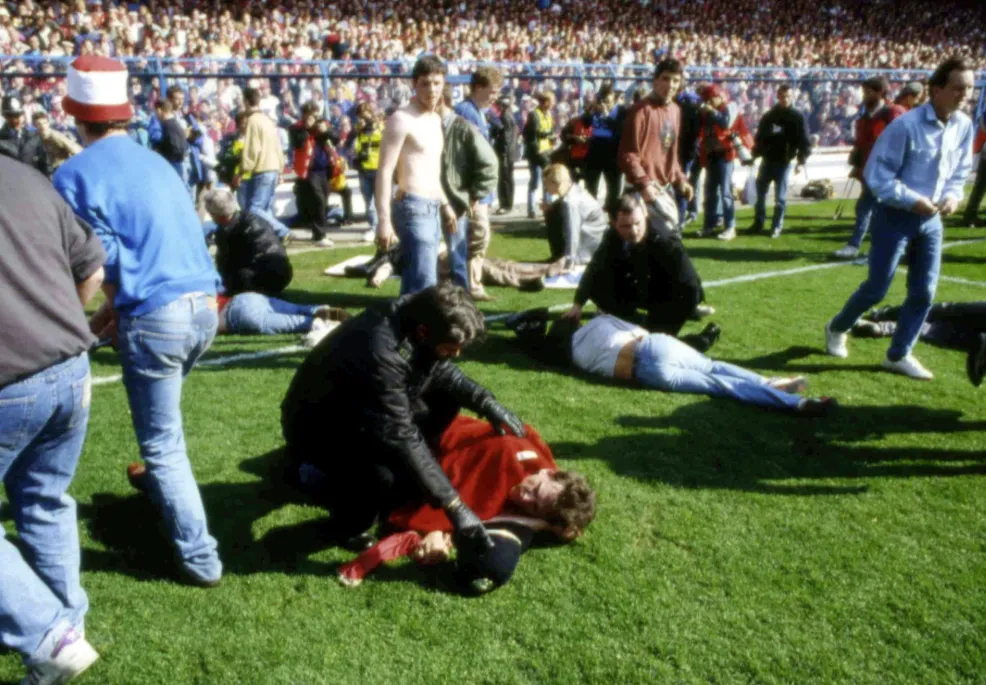
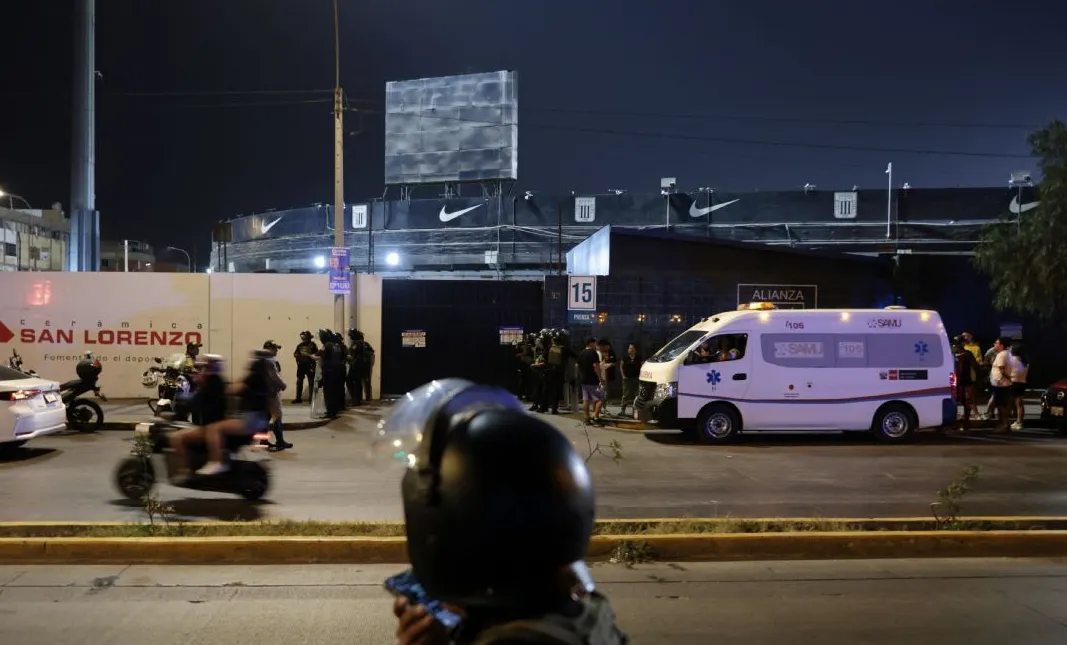
The beautiful game turned into a nightmare this past weekend in Peru, as what was supposed to be an exciting evening of football ended in disaster. A horrific crush among soccer fans at the Estadio Nacional in Lima left one person dead and at least 60 others injured, sending shockwaves through the South American football community. This tragic event raises serious questions about crowd control and stadium safety, a conversation that Six6s fans and sports enthusiasts worldwide must engage in. Let’s break down exactly what happened, why such incidents occur, and what this means for the future of live sporting events.
The Incident: A Night of Chaos in Lima
The scene at the stadium, which was hosting a top-flight match between two prominent Peruvian clubs, was initially one of high energy and excitement. Thousands of passionate supporters had packed the stands, eager to cheer on their teams. However, as kickoff approached, a dangerous situation began to unfold near one of the main entrances. Reports indicate a massive surge of fans trying to push through a single gate, leading to a fatal crush.
Who Was the Victim and What Caused the Fatalities?
The victim has been identified as a 29-year-old male fan, a father of two, who tragically suffocated in the human crush. Eyewitness accounts describe a terrifying scene where people were pressed against each other with immense force, unable to move or breathe. While the exact cause is still under investigation, preliminary reports point to a combination of overcrowding, insufficient entry points, and a lack of proper crowd management by security personnel. In these situations, the sheer pressure of the crowd can compress a person’s chest, leading to “traumatic asphyxia” – essentially, the inability to take in oxygen due to external compression on the torso.
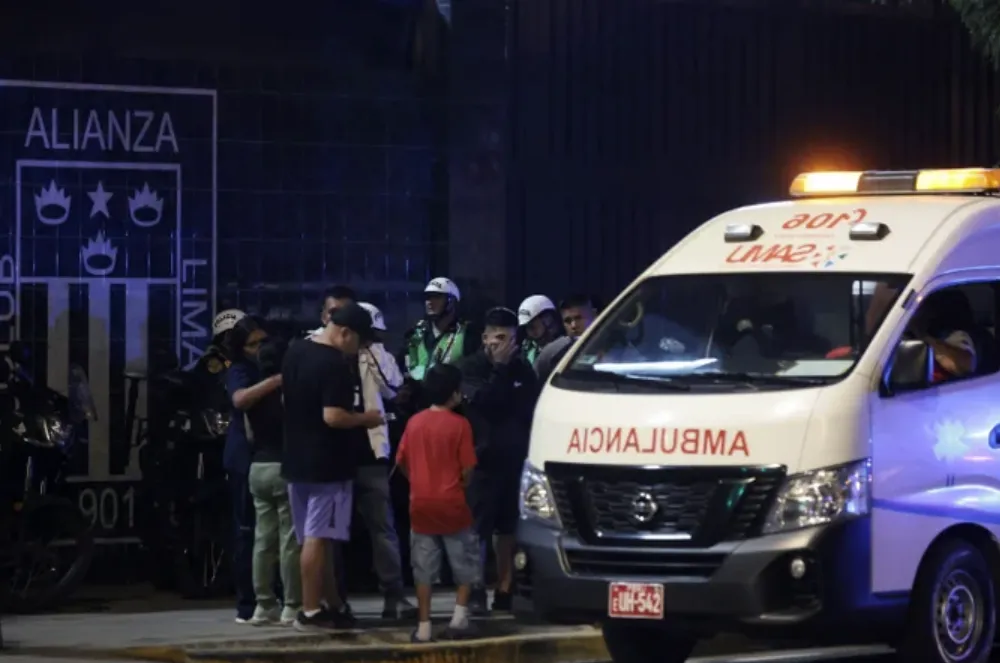
The injured, ranging from minor bruises and broken bones to severe respiratory distress, were rushed to local hospitals. Many of their families described the frantic moments of trying to locate loved ones amidst the chaos, highlighting the profound emotional toll that such a disaster takes on a community. Dr. Maria Vargas, a sports safety expert, explains, “These crush incidents are entirely preventable. They are not random acts of violence but rather a failure of logistics. When you have 50,000 people trying to enter a space designed for 40,000, a dangerous situation is almost inevitable, especially if the flow is not managed correctly.”
Timeline of the Tragedy: From Excitement to Emergency
- Pre-Match (2 hours before kickoff):A large, enthusiastic crowd begins to gather outside the designated gates. Due to delays in opening them, the area becomes dangerously congested.
- T-30 minutes:Officials open an insufficient number of gates, causing a sudden and violent surge from the waiting masses.
- T-10 minutes:The crush occurs near the north entrance. Screams are heard as fans are pinned against barriers and each other.
- Kickoff – 0 minutes:The match proceeds on the pitch, while an emergency response is underway in the stands. Medical teams and police struggle to reach the victims due to the density of the crowd.
- Post-Match:The match is eventually suspended. Officials confirm one death and dozens of injuries. A full investigation is announced by the Peruvian football federation.
Timeline of the Tragedy: From Excitement to Emergency
Comparing to Historical Fan Disasters
This tragedy is not an isolated incident in the world of football. History is unfortunately littered with similar crowd crushes, each serving as a grim lesson in stadium management. Comparatively, the Hillsborough disaster in 1989, the worst in British football history, was caused by a similar failure: police opening gates and creating a fatal crush in a confined area. More recently, tragedies in Indonesia (2022) and Argentina (2022) have also resulted in high death tolls from stampedes and crushes.
The common thread in all these cases is a breakdown in the “crowd dynamics” that control the movement of thousands of people. As sports analyst and former player, Kevin “The Analyst” Jones, notes on his podcast, “It’s a predictable problem. You can’t have high emotion, high density, and poor infrastructure without a high risk of disaster. Every event organizer must understand that a football match is not just a game; it’s a large-scale human transportation and assembly event.”
The Investigation: What Went Wrong?
The immediate target of the investigation will be the club’s security detail, the stadium management, and the local police. Key questions they will be asking include:
- Was the stadium at or above capacity?Overcrowding is almost always a root cause.
- Why were gates closed or not opened on time?Delays create dangerous pressure.
- Were there adequate crowd control measures?Barriers, stewards, and one-way systems can significantly reduce risk.
- Was there a clear and practiced emergency plan?A swift response can save lives.
This incident underscores the critical need for modernizing stadium safety protocols across all levels of football, not just in Peru. For fans who enjoy analyzing the game’s logistics and betting on outcomes with platforms like Six6s, this serves as a stark reminder of the human element that underpins the sport. The information from this disaster will become a case study for future safety training.
How to Keep Fans Safe: Expert Recommendations
Following this event, experts like Dr. Vargas recommend several immediate changes for global football authorities:
- Mandatory All-Ticketed Entry:Eliminate any possibility of spontaneous, uncontrolled entry.
- Real-Time Occupancy Monitoring:Use AI and sensor technology to track crowd density at all entry points and sections.
- Steward Training:Invest heavily in specialized training for security, not just as crowd controllers but as first responders.
- Clear Communication:Establish a direct line of communication between fans, stewards, and police to report dangerous situations.
- Pre-Match “Meerkat” Mode:Implement a slow, controlled entry process, even if it delays the start of the match.
Conclusion
The tragic death of a football fan in Peru is a heartbreaking reminder that the safety of those who fill the stands is the most important part of any sport. As we remember the victim and support the injured, the global football community must push for zero tolerance on safety failures. Matches should be about goals, celebrations, and joy, not panic and loss.
We invite you to share your thoughts on this tragic event. What changes would you like to see at stadiums to prevent this from happening again? Leave a comment below, share this article with your fellow sports fans, or explore more of our content on stadium safety and football news on the website.
