
The countdown to the 2026 FIFA World Cup is officially on, and with it comes the excitement that every football fan waits for: the unveiling of the new kits. With the tournament set to be hosted across Canada, Mexico, and the United States, teams are already releasing their official strips. As a long-time football analyst at Six6s, I’ve been tracking these releases, looking at the design trends, historical influences, and the stories behind the fabric.
This year, the kits are not just about wearing a jersey; they are about identity, heritage, and the ambition of nations. From the bold designs of South American giants to the classic elegance of European powerhouses, the 2026 collection offers a fascinating mix. But which kit truly stands out? Let’s dive deep into a comprehensive ranking, analyzing the best, the worst, and everything in between.
The Rise of Retro: Nostalgic Designs Dominate the 2026 Collection
One of the most striking trends we are seeing for the 2026 World Cup is the widespread return to retro aesthetics. It’s not just about slapping a classic logo on a modern shirt; it’s a thoughtful re-imagining of iconic eras. According to football fashion expert, Dr. Alistair Finch, “The 2026 kits are a masterclass in using history to tell a story. Teams are looking back to their golden periods—the 70s, 80s, and 90s—to inspire a new generation.”
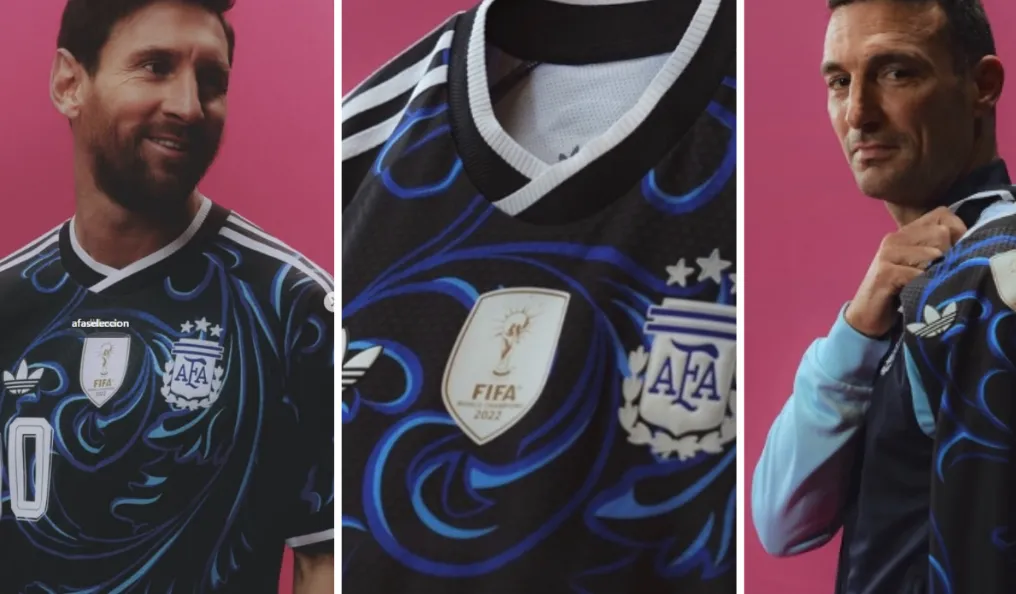
This trend is particularly evident in the kits of England and Argentina. The Three Lions are drawing heavily on their 1990 World Cup semi-final campaign, a time when the nation fell back in love with the team. Meanwhile, Argentina is subtly nodding to the 1986 kit worn by Maradona. It’s a strategic move; by connecting the current players with legendary past teams, designers are hoping to create a psychological edge.
Canada’s Bold Statement: The Host Nation Leads the Way
As a co-host, Canada had a lot of pressure to deliver a kit that captured their footballing emergence. They have absolutely smashed it. The new Canada kit is a vibrant celebration of the nation’s natural beauty and its growing identity on the world stage. Forget the simple red and white; this design is a canvas of abstract maple leaf patterns, resembling the northern lights.
This kit feels like a declaration of intent. It’s not just a uniform; it’s a piece of art that screams, “We are here to compete.” The design is modern, fresh, and represents a nation that is no longer a sleeping giant in football. For a team that is building a new legacy, this kit provides the perfect visual symbol of their journey.
Mexico and the United States: A Tale of Two Host Designs
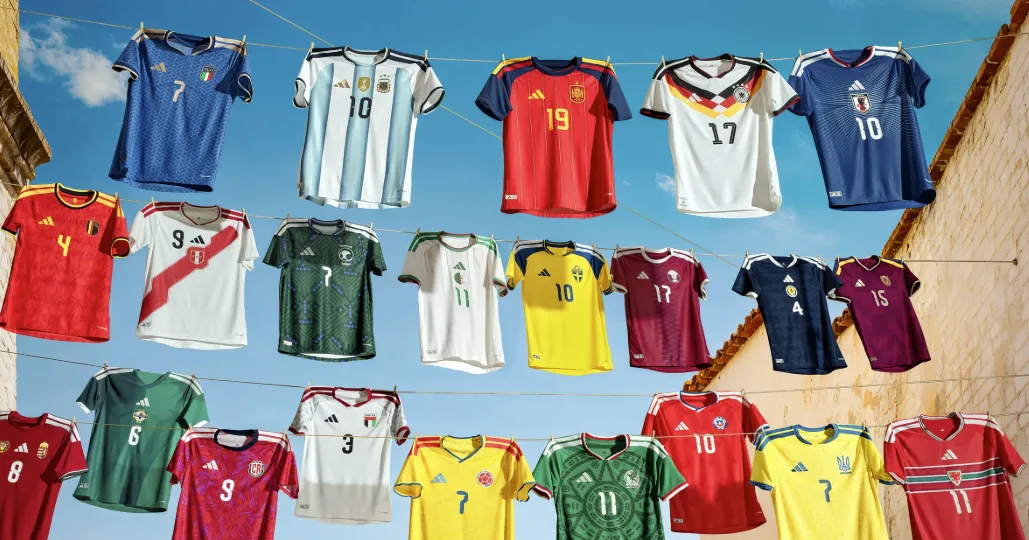
While Canada took a bold approach, the other two hosts have opted for more traditional, yet refined, paths.
Mexico’s Kit: A Deep Green Heritage
Mexico has once again leaned into its rich cultural tapestry. The new home kit is a stunning deep green, a shade that evokes the country’s lush landscapes and ancient history. The detailing, inspired by Aztec art, is subtle but powerful. It’s a kit that respects the past while looking forward. It feels premium and sophisticated, perfectly matching the “El Tri” aura of being a perennial contender.
The United States’ Kit: Clean but Controversial
The United States kit is a clean, minimalist take on the Stars and Stripes. It’s a jersey that is designed for the modern consumer. The white base with subtle blue and red accents is very fashionable, but perhaps a little too safe for a host nation. Some fans have criticized it for lacking the “wow” factor of the 1994 or 2002 designs. In my opinion, while it looks excellent on the pitch, it lacks the narrative depth we see from Canada and Mexico.
The European Powerhouses: Classic Elegance Meets Modern Rebellion
When you think of World Cup kits, European nations often set the standard. For 2026, the spectrum is wide, ranging from the sublime to the slightly confusing.
England’s “Italia 90” Revival: A Masterstroke of Nostalgia
England’s new kit is a near-perfect replica of the 1990 design. The blue away kit, in particular, is a masterpiece. It’s a deep, rich navy blue with geometric patterns that mimic the late 80s early 90s aesthetic. This is more than a shirt; it’s a memory. It reminds fans of Paul Gascoigne’s tears, Gary Lineker’s goals, and a team that played with heart. For the current squad, it carries the weight of expectation. This kit will sell out instantly, not just for its design, but for the emotional connection it fosters.
Germany and Spain: A Study in Contrasts
Germany has often been the benchmark for clean, efficient design. This year, however, they have taken a slight step sideways. The home kit is classic white and black, but the away kit features a “flame” pattern that has divided opinion. It’s bold, but for a nation that prides itself on order, it feels a bit chaotic. Spain, on the other hand, has gone for elegance. The deeper red from the 90s is back, and the detailing is minimal but sharp. It’s a kit that screams confidence without shouting.
France and Portugal: The Stars and the Future
France’s kit is a paradox. It is incredibly safe, relying on the classic blue, white, and red. However, the execution is flawless. The collar is a modern take on a classic polo neck, and the fit is perfect for the players. It’s not going to win any design awards, but it will win matches. Portugal, with Cristiano Ronaldo potentially playing in his last World Cup, has a kit that feels like a farewell tour. The golden accents are more prominent than ever, celebrating their Euro 2016 triumph.
South American Flair: Brazil and Argentina Under the Microscope
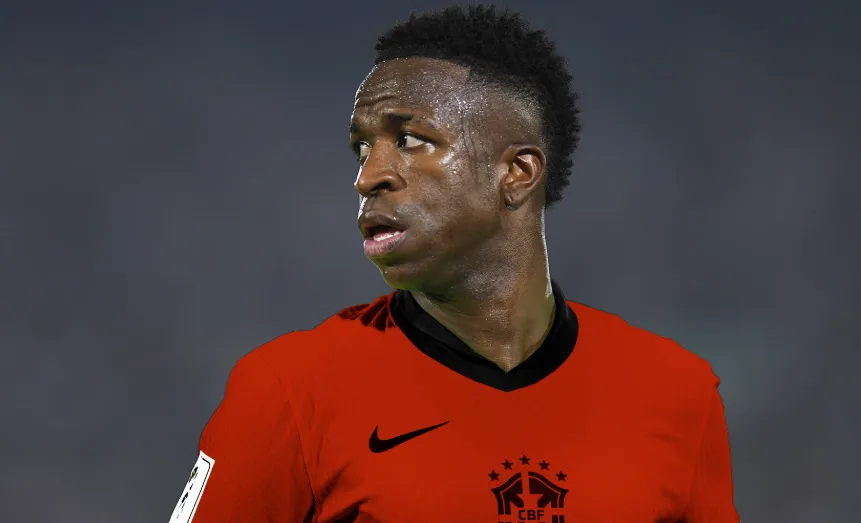
South American kits are always about passion. For the 2026 World Cup, Brazil has taken a luxurious turn. The “Canarinho” yellow is almost neon, designed to pop on high-definition cameras. It’s a vibrant, aggressive kit that mirrors their attacking football.
Argentina, as the reigning champions, has a kit that feels like a crown. The light blue and white stripes are sharper than ever, with a subtle gold detail on the crest to signify their World Cup victory. Both kits are excellent, but Brazil’s willingness to push the boundaries with color gives them a slight edge in the fashion stakes.
The Underdogs: Australia and Other Surprises
We cannot forget the other contenders. Australia’s kit is a subtle nod to the “Golden Generation” of 2006. The gold is deeper, and the green is darker, giving it a sophisticated look. It’s a kit designed for a team that believes they can cause an upset.
Why Kit Design Matters More Than Ever
In the modern era, the kit is a massive revenue stream and a branding tool. A great kit can boost merchandise sales by millions and create a sense of unity among fans. As analyst Sarah Jenkins notes, “A kit is the first point of contact between a fan and the team. If you can’t get the kit right, you risk alienating a huge part of your fanbase.”
Six6s has observed that for the 2026 tournament, the trend is shifting from “loud and modern” to “meaningful and retro.” Teams are learning that nostalgia is a powerful driver of fan engagement. This approach is not just about looking good; it’s about building a brand identity that lasts for decades.
Final Verdict and Predictions for the Tournament
After reviewing all the kits for the 2026 World Cup, here is the final ranking:
- Canada(Best Overall – Bold, unique, and perfect for a host)
- England(Away Kit – Best Nostalgia – Masterful design)
- Brazil(Best Color – Aggressive and vibrant)
- Mexico(Best Heritage – Classic and sophisticated)
- Portugal(Best Elegance – Golden and appropriate)
From a pure design perspective, Canada has taken the crown this year. However, when it comes to impact and sellability, England’s retro away kit will be the best-seller.
How Will These Kits Impact Performance?
While a kit doesn’t win you matches, it does affect psychology. A team that feels good in their kit often plays with more confidence. I predict that Canada, boosted by their stunning new look and home support, will be a dark horse to reach the knockout stages. England, wearing the kit of their beloved 1990 team, might finally break their penalty shootout curse. As for Brazil, their vibrant yellow will be a target for every defender, but it will also terrify them.
What do you think of the new World Cup kits? Which one is your favorite? Is there a kit you think is overrated? Let us know in the comments below. Share this article with your fellow football fans and stay tuned to Six6s for more in-depth analysis, tactical breakdowns, and exclusive predictions as we count down to the 2026 World Cup.
Six6s is your ultimate destination for the most exciting sports action and exclusive deals. Don’t miss a moment of the action!
